
Building a house or managing a construction project is a major investment that requires careful planning, skilled execution, and constant supervision. Unfortunately, many projects in Nigeria and beyond suffer delays, cost overruns, or even structural failures—not because of lack of funds, but due to avoidable mistakes.
Understanding these common errors can help you save money, time, and stress while ensuring a successful and durable project.
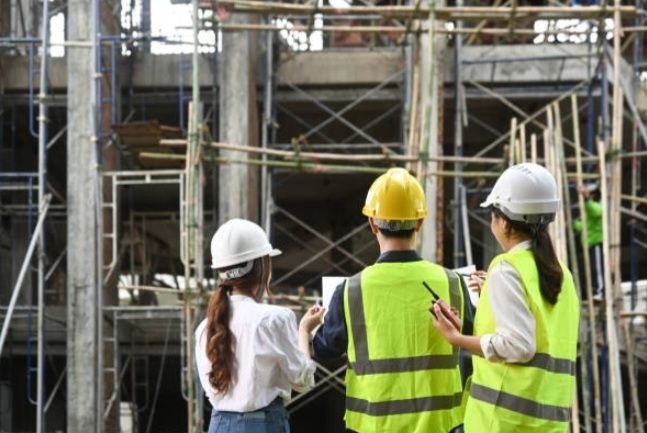
Learn More: https://rodnabconstructionltd.com
Poor Planning and Lack of Clear Design
One of the biggest mistakes in construction is starting without a well-defined plan. Some developers rush into building without complete architectural drawings, approvals, or a clear project scope.
Why it’s a problem:
It leads to confusion, rework, and unexpected costs.
What to do instead:
Ensure you have detailed architectural, structural, and service drawings before starting.
Ignoring Soil Testing
Many people skip soil testing to cut costs, especially in areas where land seems “stable.”
Why it’s a problem:
Different soil types require different foundation designs. Ignoring this can lead to cracks or building collapse.
What to do instead:
Conduct a proper geotechnical (soil) test before foundation work begins.
Choosing Unqualified Contractors
Hiring cheap or unverified contractors is a common mistake.
Why it’s a problem:
Low-quality workmanship can compromise the entire structure.
What to do instead:
Work with experienced, licensed professionals with proven track records.
Poor Budgeting and Cost Underestimation
Many projects stall because the initial budget was unrealistic.
Why it’s a problem:
Running out of funds mid-project leads to delays, abandoned projects, or use of substandard materials.
What to do instead:
Prepare a comprehensive budget and include a contingency fund (10–20%).
Use of Substandard Materials
In an attempt to save money, some builders use low-quality materials.
Why it’s a problem:
It reduces the lifespan of the building and increases maintenance costs.
What to do instead:
Always source materials from trusted suppliers and verify quality standards.
Lack of Proper Site Supervision
Some project owners rarely visit the site or rely entirely on workers.
Why it’s a problem:
Mistakes go unnoticed, leading to poor workmanship.
What to do instead:
Ensure regular supervision by a qualified site engineer or project manager.
Ignoring Building Regulations and Approvals
Skipping government approvals or building codes is risky.
Why it’s a problem:
It can result in fines, demolition, or legal issues.
What to do instead:
Obtain all necessary approvals and follow local construction regulations.
Frequent Design Changes During Construction
Changing plans midway is a costly habit.
Why it’s a problem:
It disrupts workflow, wastes materials, and increases labor costs.
What to do instead:
Finalize your design before construction begins.
Poor Communication Among Stakeholders
Miscommunication between architects, engineers, and contractors can create serious issues.
Why it’s a problem:
It leads to errors, delays, and inconsistencies.
What to do instead:
Maintain clear and regular communication with all parties involved.
Neglecting Safety Measures
Safety is often overlooked on many construction sites.
Why it’s a problem:
Accidents can lead to injuries, project delays, or legal liabilities.
What to do instead:
Provide safety gear and enforce strict safety protocols on-site.
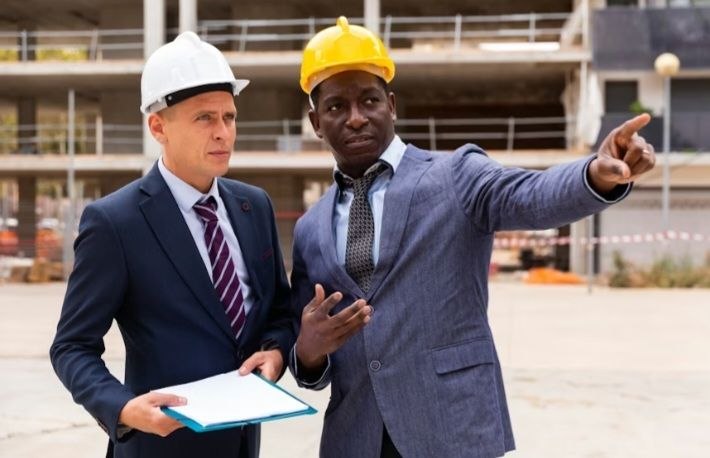
Learn More: https://rodnabconstructionltd.com
Unrealistic Project Timeline
Trying to rush a construction project often backfires.
Why it’s a problem:
It leads to poor workmanship and burnout among workers.
What to do instead:
Set a realistic timeline and allow for unexpected delays.
Inadequate Documentation
Failure to keep proper records is another common issue.
Why it’s a problem:
It creates confusion and disputes over costs, materials, and responsibilities.
What to do instead:
Document all agreements, changes, and expenses throughout the project.
Conclusion
Construction projects require more than just money—they demand proper planning, professional expertise, and disciplined execution. Avoiding these common mistakes can make the difference between a successful project and a costly failure.
Whether you are building your first home or managing multiple properties, taking the right steps from the beginning will ensure quality, safety, and long-term value.