
The construction industry has traditionally relied on manual inspections, surveying equipment, and time-consuming site monitoring processes. However, technological advancements are transforming how construction projects are planned, managed, and executed. One of the most impactful innovations in recent years is the use of drones.
Drones, also known as Unmanned Aerial Vehicles (UAVs), are revolutionizing construction by improving efficiency, enhancing safety, reducing costs, and providing real-time project insights. At Rodnab Construction Ltd, we recognize the growing importance of drone technology in delivering smarter, faster, and more accurate construction solutions.
Read more about Rodnab – https://rodnabconstructionltd.com
What Are Construction Drones?
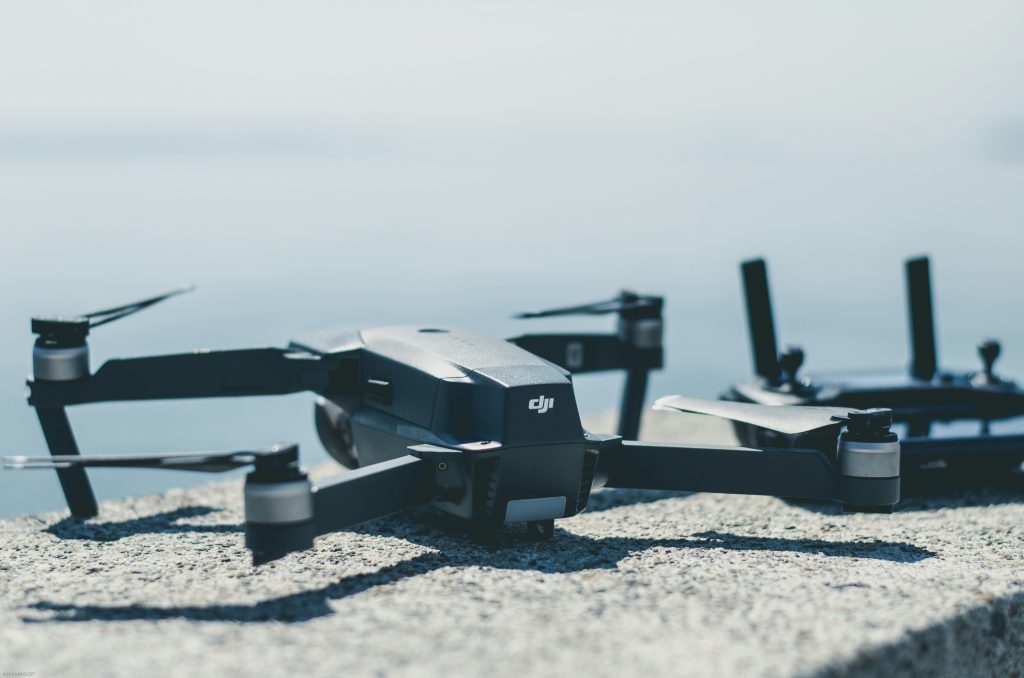
Construction drones are remotely operated aircraft equipped with cameras, sensors, GPS systems, and data collection technology. They are used to capture aerial images, survey land, monitor project progress, and gather valuable site information.
Unlike traditional surveying methods that may take days or weeks, drones can complete the same tasks within hours while providing highly accurate data.
The Growing Role of Drones in Construction
As construction projects become more complex, project managers and engineers require better tools for planning and monitoring. Drones have emerged as a game-changing technology that provides a bird’s-eye view of construction sites and helps teams make informed decisions.
Today, drones are being used in:
- Site surveys
- Land mapping
- Progress monitoring
- Safety inspections
- Quantity measurements
- Infrastructure assessments
1. Faster and More Accurate Site Surveys
Before construction begins, accurate site information is essential.
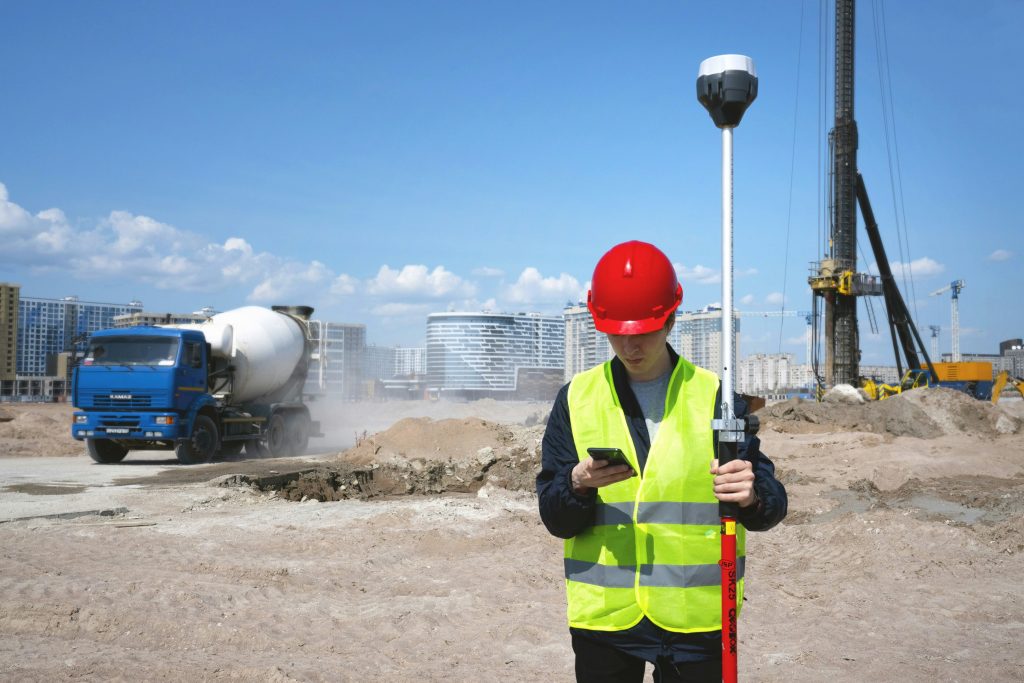
Traditionally, land surveys required extensive manpower and specialized equipment. Drones now enable surveyors to capture detailed aerial data in a fraction of the time.
Benefits:
- Faster data collection
- Improved accuracy
- Reduced surveying costs
- Better project planning
This allows project teams to start construction with reliable information.
2. Enhanced Project Monitoring
Monitoring construction progress is critical to keeping projects on schedule.
Drones provide regular aerial updates that allow project managers to:
- Track progress
- Compare actual work against project plans
- Identify delays
- Improve decision-making
Result:
Greater visibility and control over construction activities.
3. Improved Construction Site Safety
Construction sites often contain hazardous areas that can be difficult or dangerous to inspect.
Drones help reduce risks by conducting inspections without exposing workers to unsafe conditions.
Examples:
- Inspecting high-rise structures
- Monitoring unstable excavation areas
- Assessing bridge construction works
- Evaluating difficult-to-access locations
Safety Advantage:
Fewer accidents and improved worker protection.
4. Accurate Measurement and Quantity Estimation
One of the most valuable applications of drones is their ability to generate precise measurements.
Drones can calculate:
- Earthwork volumes
- Excavation quantities
- Stockpile measurements
- Site dimensions
Benefits:
- Better cost estimation
- Reduced material wastage
- Improved project budgeting
Read more about Rodnab – https://rodnabconstructionltd.com
5. Better Communication with Clients
Clients often want regular updates on project progress.
Drone-generated images and videos provide clear visual reports that help clients understand:
- Current site conditions
- Completed work
- Upcoming construction phases
Result:
Greater transparency and stronger client confidence.
6. Cost Reduction and Increased Efficiency
Traditional site inspections and surveys can be expensive and time-consuming.
Drone technology helps reduce:
- Labor costs
- Surveying expenses
- Inspection time
- Project delays
Financial Impact:
Projects become more efficient and cost-effective.
7. Real-Time Data Collection
Modern drones can capture and transmit information almost instantly.
Project teams can access:
- High-resolution images
- Aerial videos
- Mapping data
- Site analytics
This enables faster decision-making and quicker response to potential issues.
8. Infrastructure Inspection and Maintenance
Drones are increasingly used for inspecting infrastructure projects such as:
- Roads
- Bridges
- Drainage systems
- Buildings
- Utility networks
Advantages:
- Early detection of defects
- Reduced inspection costs
- Improved maintenance planning
9. 3D Mapping and Modeling
Advanced drones can create highly detailed 3D models of construction sites.
These models help engineers and architects:
- Visualize project designs
- Analyze terrain conditions
- Improve construction planning
- Detect potential conflicts before construction begins
Outcome:
Better project coordination and reduced errors.
10. Environmental Monitoring
Construction projects must often comply with environmental regulations.
Drones assist by monitoring:
- Erosion control measures
- Drainage systems
- Environmental impacts
- Site restoration activities
This supports sustainable construction practices and regulatory compliance.
Challenges of Drone Adoption in Construction
Despite their benefits, construction companies may face challenges such as:
- Initial investment costs
- Operator training requirements
- Regulatory compliance
- Data management needs
However, the long-term benefits often outweigh these challenges.

Read more about Rodnab – https://rodnabconstructionltd.com
The Future of Drones in Construction
Drone technology continues to evolve rapidly.
Future developments may include:
- Artificial intelligence-powered site analysis
- Automated inspections
- Real-time project monitoring systems
- Enhanced data integration with Building Information Modeling (BIM)
As technology advances, drones will become even more valuable tools for construction professionals.
Why Rodnab Construction Ltd Embraces Innovation
At Rodnab Construction Ltd, we believe that innovation is essential for delivering superior construction services. By leveraging modern technologies such as drones, we can enhance project planning, improve quality control, increase safety, and provide greater value to our clients.
Our commitment to innovation ensures that every project benefits from the latest advancements in construction management and engineering.
Conclusion
Drones are transforming the construction industry by making projects safer, faster, more accurate, and more efficient. From site surveys and project monitoring to inspections and 3D modeling, drone technology is helping construction companies achieve better results while reducing costs and risks.
As the industry continues to embrace digital transformation, drones will remain a key driver of innovation and productivity in construction.
For developers, contractors, and property owners, adopting drone technology is no longer a luxury—it is becoming a necessity for staying competitive in the modern construction landscape.
About Rodnab Construction Ltd
Rodnab Construction Ltd is a trusted construction and infrastructure development company committed to delivering excellence in building construction, road construction, bridge construction, drainage systems, project consultancy, and engineering services.
Rodnab Construction Ltd
Building Excellence. Delivering Innovation. Creating Lasting Value.